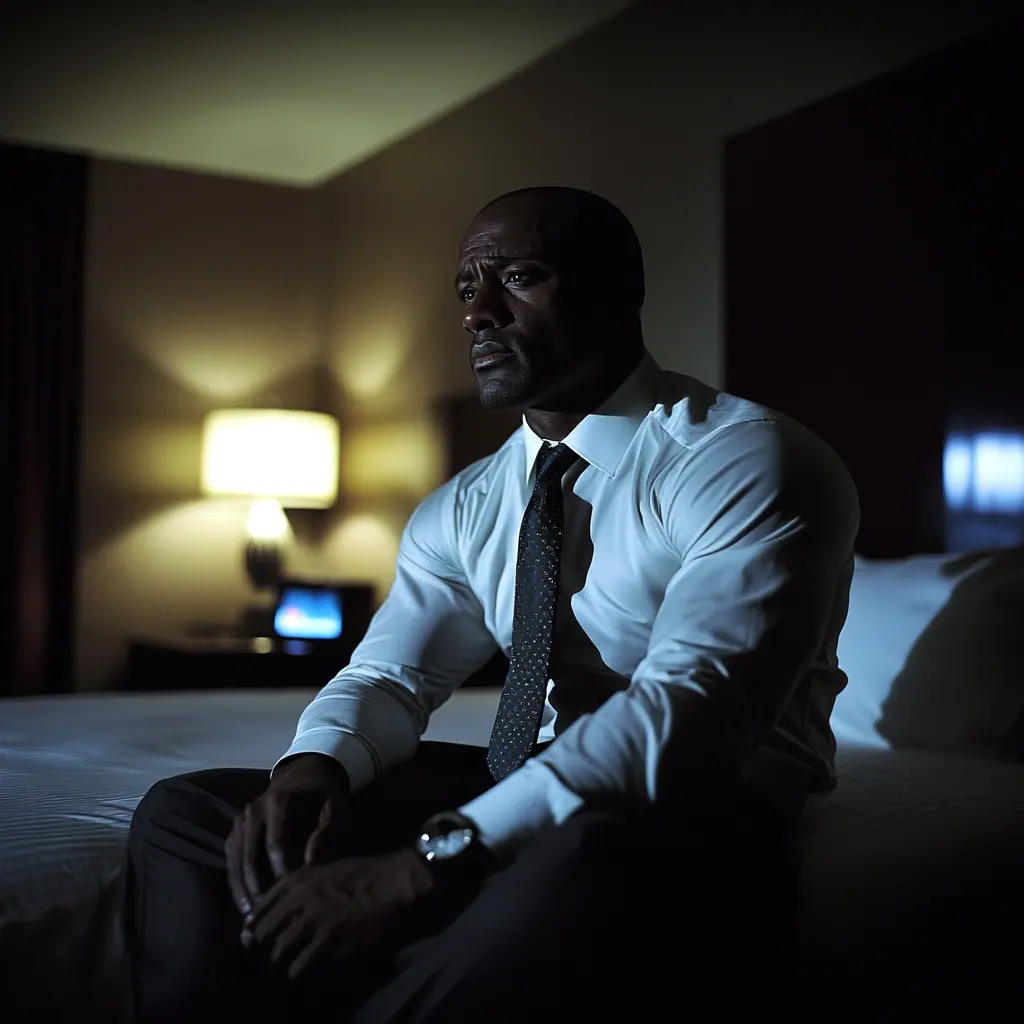
I’m sure that my colleagues would agree that there is a certain “mystique” to the Bodyguard and Executive Protection industry. It is a world that can be somewhat shrouded in secrecy, and unfortunately, impressions of this business can be formed based on what the public sees on television and in the movies. In the interest of getting to some truth about this business, I thought it would be interesting to share some real world information that might help those who are interested in this career to understand that what is portrayed in the media is not always the whole (or realistic) picture.
Just to be clear, there are several terms that are used and are somewhat interchangeable for “Executive Protection Specialist.” They include: CPO (Close Protection Operative), and also “Bodyguard.” Wikipedia describes a bodyguard or EPS as: a type of security guard or government agent who protects a person—usually a famous, wealthy, or politically important figure—from assault, kidnapping, assassination, loss of confidential information, or other threats.
Now to be truthful, rarely is an attempt made to assault, kidnap or assassinate a protectee. Most often, bodyguards serve to defend against over-zealous fans, or the Paparazzi, who have increasingly invaded the privacy and safety of celebrities in the interest of getting photos and stories for print and electronic media use.
There is also the less-than-glamorous side of EPS work, which many people don’t talk about, because it belies the “mystique” of the job. I share a few items with you below, so you have a better picture of what it means to work as a bodyguard:
You may be called upon to play chauffeur. You will be driving the client and his friends all over town, to and from the airport, and will probably be expected to maintain the car, which means taking it to the car wash, keeping the tank filled and the car in perfect running order.
You may be expected to protect property, which can mean looking after your client’s purchases from a high-end department store while they continue to shop.
Your protection may extend to the client’s children, which means you may have a child making demands on you, which you are required to meet. This protection may also extend to looking after the family’s dog…and picking up after it!
It is expected that you will be available around the clock. Duties may include: managing transportation and planning routes, escorting the celebrity and entourage to social events, and looking after the safety and well-being of anyone in the celebrity’s circle of friends. If your protectee’s friends party until 5:00 a.m. and then are too intoxicated and need a ride home, you will be expected to drive them home…and clean up the car, should they get sick.
You will be asked to perform tasks that will fall into the “personal assistant” category. This can mean picking up dry-cleaning, making phone calls, picking up lunch, and the like. It can mean getting up at 3:30 a.m. to meet your client and his gal-pal at the grocery store because they decide on a whim that they want to pick up some food, and didn’t think to bring any money (since they never have to think about it–their “people” take care of these things.) It will be you, bleary-eyed and half-asleep, who will be called upon to bring them money to pay for their purchases!
Newcomers, you now have an accurate picture of what it is to bodyguard. If you think this work is the way it was portrayed in “The Bodyguard,” starring Kevin Costner and Whitney Houston–guess again!
Â